 Save
Save My neighbor handed me a bag of blood oranges one Saturday morning, insisting I do something special with them before they turned. I had Greek yogurt sitting in the fridge and a sudden urge to bake something bright and uncomplicated. The kitchen filled with the scent of citrus zest as I mixed the batter, and I knew halfway through that this cake would become one of those recipes I'd make over and over. It came out golden, tender, and impossibly moist.
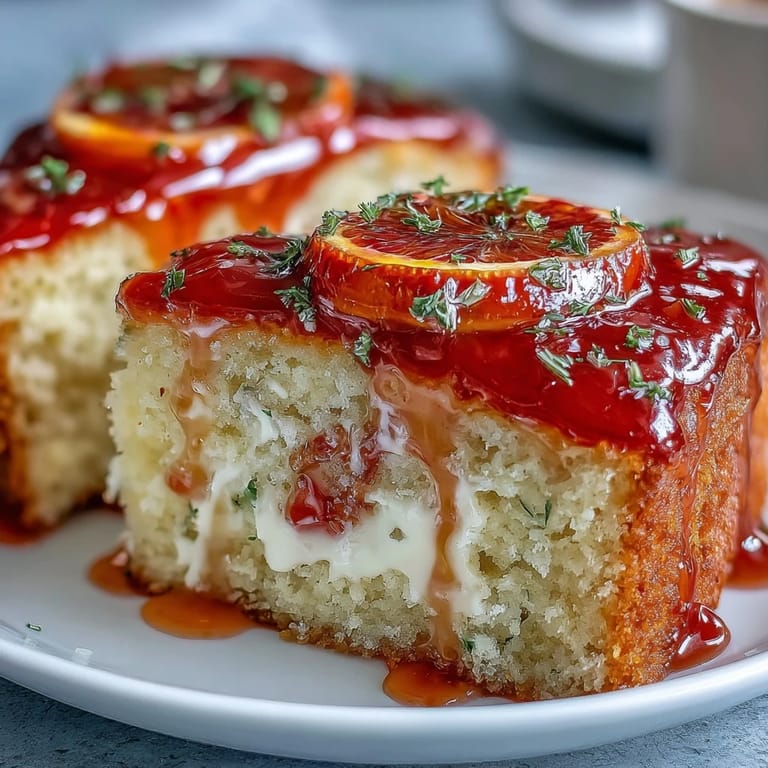
I baked this for a friend's birthday brunch, and everyone kept asking if I'd ordered it from somewhere fancy. The deep coral icing caught the morning light through the window, and I watched people go back for second slices without saying a word. It felt good to serve something that looked as cheerful as it tasted. One guest told me she'd never thought of using yogurt in a cake before, and I realized how simple swaps can surprise people.
Ingredients
- All purpose flour: The backbone of the cake's structure, spooned and leveled so it stays light and doesn't turn dense.
- Baking powder: Gives the crumb a gentle lift without any metallic aftertaste if you measure it carefully.
- Salt: Just a pinch to balance the sweetness and let the citrus flavors shine through.
- Plain Greek yogurt: Adds richness and tang while keeping the texture incredibly moist for days.
- Granulated sugar: Sweetens the batter and helps create that tender, soft crumb.
- Large eggs: Room temperature eggs blend smoothly and help the batter emulsify without curdling.
- Blood orange zest: The fragrant oils in the zest deliver bright, floral citrus notes that perfume every bite.
- Freshly squeezed blood orange juice: Adds natural acidity and a gorgeous rosy hue to both the cake and the icing.
- Vanilla extract: A warm background note that makes the citrus taste even more vibrant.
- Coconut oil: Melted and cooled, it keeps the cake moist and adds a subtle tropical whisper.
- Powdered sugar: Sifted for a smooth, lump free icing that sets beautifully on top.
Tired of Takeout? 🥡
Get 10 meals you can make faster than delivery arrives. Seriously.
One email. No spam. Unsubscribe anytime.
Instructions
- Prep the pan:
- Preheat your oven to 350°F and butter every corner of a 9x5 inch loaf pan, then dust it lightly with flour or line it with parchment for easy release. This step makes all the difference when you want a clean slice later.
- Mix the dry ingredients:
- Whisk together the flour, baking powder, and salt in a medium bowl until evenly distributed. Set it aside while you work on the wet ingredients.
- Combine yogurt and sugar:
- In a large bowl, whisk the Greek yogurt and granulated sugar until smooth and creamy, with no lumps left behind. This base gives the cake its tender crumb.
- Add eggs and citrus:
- Whisk in the eggs one at a time, letting each one blend in before adding the next, then stir in the blood orange zest, juice, and vanilla extract. The batter will smell bright and inviting.
- Fold in the flour:
- Gently fold the dry ingredients into the wet mixture using a spatula, just until you see no more streaks of flour. Overmixing will make the cake tough, so stop as soon as it comes together.
- Incorporate the oil:
- Pour in the melted, cooled coconut oil and fold it in with a light hand until the batter is smooth and glossy. The oil keeps the cake moist without weighing it down.
- Bake the cake:
- Pour the batter into your prepared pan, smooth the top with a spatula, and bake for 50 minutes or until a toothpick inserted in the center comes out clean. The top should be golden and spring back when you touch it lightly.
- Cool completely:
- Let the cake cool in the pan for 10 minutes, then turn it out onto a wire rack to cool all the way through. Icing a warm cake will cause the glaze to slide right off.
- Make the icing:
- Whisk together the powdered sugar, blood orange juice, and zest until you have a smooth, pourable glaze. Adjust the consistency with a few extra drops of juice if needed.
- Glaze and set:
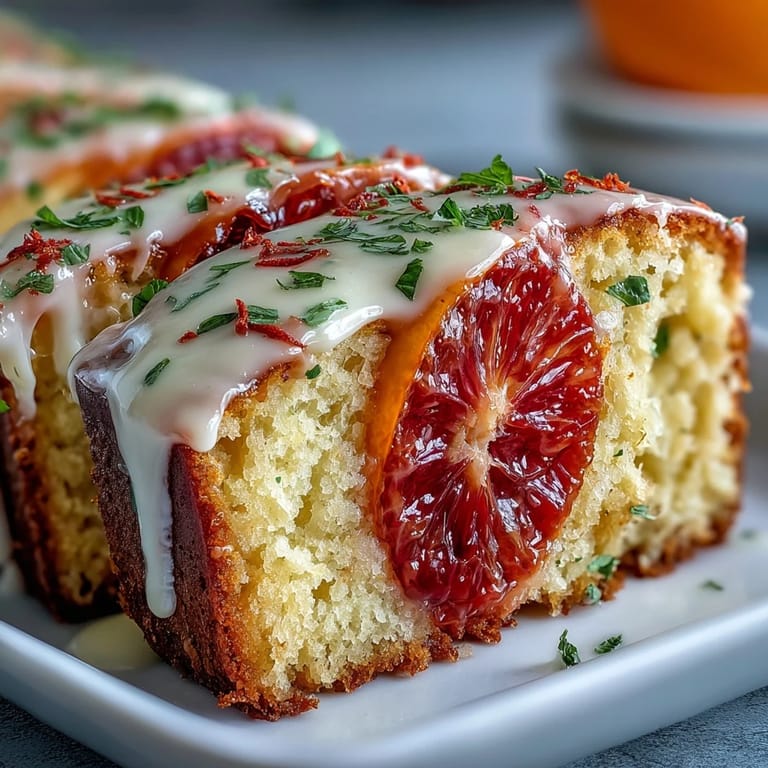
- Drizzle the icing over the cooled cake in slow, steady lines, letting it cascade down the sides. Let it set for at least 20 minutes before slicing so the glaze firms up beautifully.
 Save
Save I served this at a spring potluck, and someone told me it tasted like sunshine in cake form. That description stuck with me because it's exactly how I feel when I pull this out of the oven. The color alone lifts my mood, and the citrus icing catches the light like stained glass. It's become my go to when I want to bring something that feels special without spending all day in the kitchen.
Choosing Your Citrus
Blood oranges have a short season, usually from December through May, so I stock up when I see them. If you can't find them, regular oranges or even Meyer lemons work beautifully in this recipe. The cake will taste just as tender and bright, though you'll lose that gorgeous rosy hue. I've made it both ways, and each version has its own charm depending on what's ripe at the market.
Storing and Serving
This cake stays moist at room temperature for up to two days if you cover it loosely with foil or a cake dome. After that, I move it to the fridge where it keeps for nearly a week, though the icing may soften slightly. I like to bring it back to room temperature before serving so the flavors open up again. A slice with morning coffee or as an afternoon pick me up feels like a small, edible celebration.
Simple Swaps and Add Ins
You can swap the coconut oil for melted unsalted butter if you prefer a more traditional flavor profile. I've also stirred in a handful of poppy seeds for a bit of crunch, and it worked beautifully. Some people like to fold in fresh blueberries or raspberries, but I'd toss them in a little flour first so they don't sink to the bottom.
- Add a tablespoon of blood orange juice to the icing for a more intense citrus punch.
- Top each slice with a dollop of whipped cream or a few fresh berries for a fancy finish.
- Try a sprinkle of flaky sea salt on the icing before it sets for a sweet salty contrast.
 Save
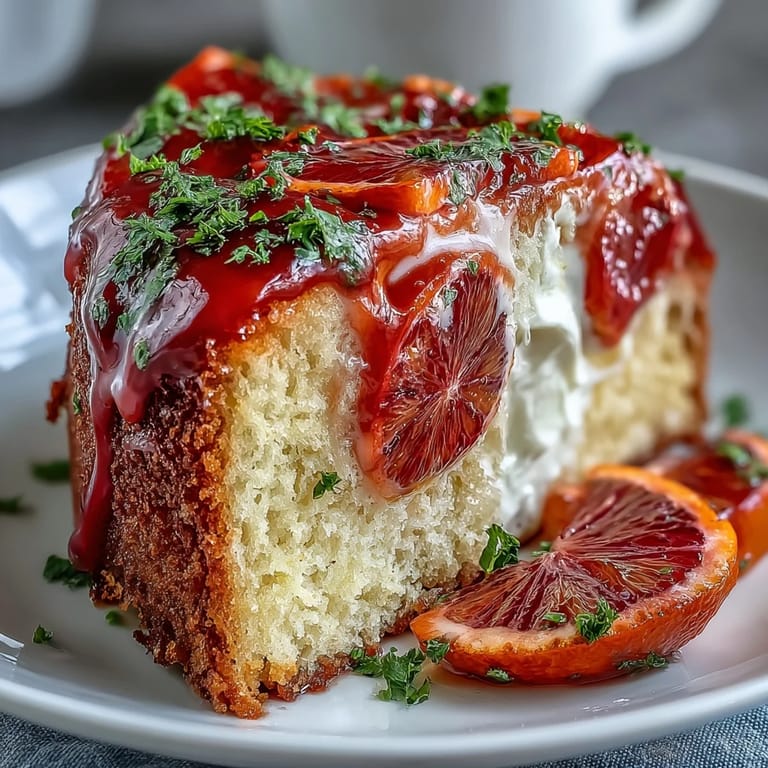
Save This cake has a way of turning an ordinary day into something a little brighter, and I hope it does the same for you. Slice it thick, share it generously, and let the citrus work its magic.
Recipe FAQs
- → Can I use regular oranges instead of blood oranges?
Yes, you can substitute navel oranges or cara cara oranges. The flavor will be slightly less tart and the vibrant red color won't be as pronounced, but the cake will still be delicious.
- → How do I know when the cake is done baking?
Insert a toothpick into the center of the cake. If it comes out clean or with just a few moist crumbs, the cake is done. The top should be golden brown and spring back when lightly touched.
- → Can I make this cake ahead of time?
Absolutely. The cake actually develops more flavor on the second day. Store covered at room temperature for up to 2 days, adding the icing just before serving for the freshest appearance.
- → What if I don't have coconut oil?
Melted unsalted butter works perfectly as a substitute. Use the same amount and ensure it's cooled before adding to the batter to prevent cooking the eggs.
- → How should I store leftovers?
Keep the cake covered at room temperature for up to 2 days. For longer storage, refrigerate for up to 5 days. Bring to room temperature before serving for the best texture.
- → Can I freeze this cake?
Yes, freeze the un-iced cake wrapped tightly in plastic and foil for up to 3 months. Thaw overnight at room temperature, then add the icing before serving.