 Save
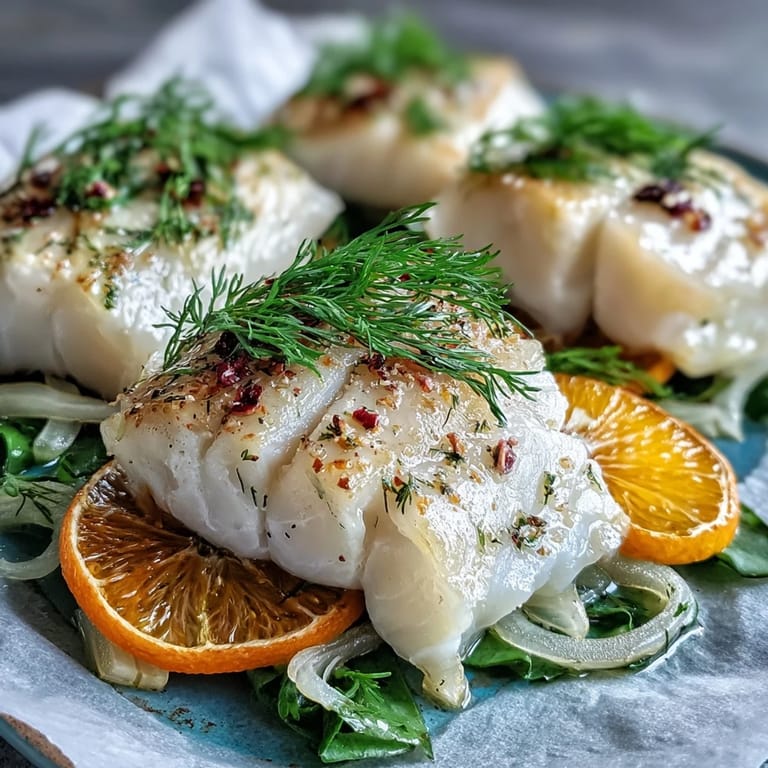
Save There's something almost meditative about watching a piece of fish turn from translucent to opaque in a gently simmering broth, and that's exactly what drew me to this poached cod dish on a quiet Tuesday afternoon. My neighbor had left a bag of fennel from her garden on my doorstep with a note asking if I knew what to do with it, and I stood there holding this pale, elegant bulb, suddenly remembering a restaurant meal from years ago where the plate arrived looking impossibly simple yet tasted like the sea had been invited to dinner. The combination of fennel's subtle anise sweetness with bright orange felt like a natural conversation waiting to happen, and I decided right then to craft something around it. This recipe became my answer to that challenge, and now it's the dish I make when I want to feel like I'm cooking something refined without the fuss.
I made this for my sister during a spring visit when she was going through one of those phases where she was doubting her cooking skills, convinced everything she touched turned dry or bland. Watching her taste that first forkful of tender cod swimming in that citrusy broth, then seeing her face light up—that's when I knew this recipe had become something special to me, not just because it tastes good, but because it proved to her that elegant food doesn't require complicated techniques.
Ingredients
- Fresh cod fillets: Look for fillets that are firm and smell briny, not fishy—the fresher they are, the more delicate and sweet they'll taste when poached.
- Fennel bulb: Slice it thin so it softens into almost silky strands during cooking; the fronds are too pretty to waste, so save them for garnish where they add an elegant, feathery touch.
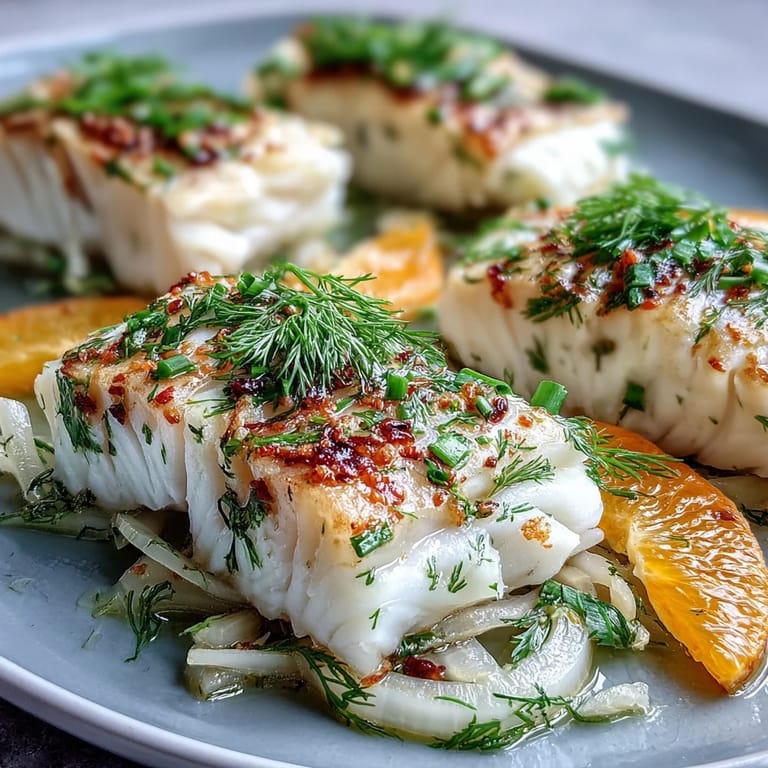
- Orange: The zest carries so much flavor, but the slices do double duty by both infusing the liquid and creating this beautiful visual element on the plate.
- Fish or vegetable stock: Use the low-sodium version so you control the seasoning and don't end up with something salty.
- Dry white wine: Something you'd actually drink—cheap wine makes cheap-tasting food, and the wine is doing real work here in building flavor.
- Extra virgin olive oil: This is the fat that carries flavor in this dish, so don't skimp or substitute with something neutral.
- Bay leaf: One leaf, not three; it's there to whisper, not shout.
Tired of Takeout? 🥡
Get 10 meals you can make faster than delivery arrives. Seriously.
One email. No spam. Unsubscribe anytime.
Instructions
- Build your flavor base:
- Warm the olive oil and let the fennel, shallot, and garlic soften for a few minutes until the kitchen smells like they've been kissed by heat. You want them just tender, not browning—this is about gentle coaxing, not aggressive cooking.
- Create the poaching liquid:
- Add the orange slices, zest, bay leaf, wine, and stock, then let it reach a gentle simmer where bubbles barely break the surface. This is your fish's warm bath, and it should feel inviting, not hostile.
- Season and nestle the fish:
- Season the cod fillets lightly on both sides, then lay them into the liquid in a single layer—they should fit snugly but not be crowded. If they're piled on top of each other, they'll steam instead of poach, and texture matters here.
- The gentle poach:
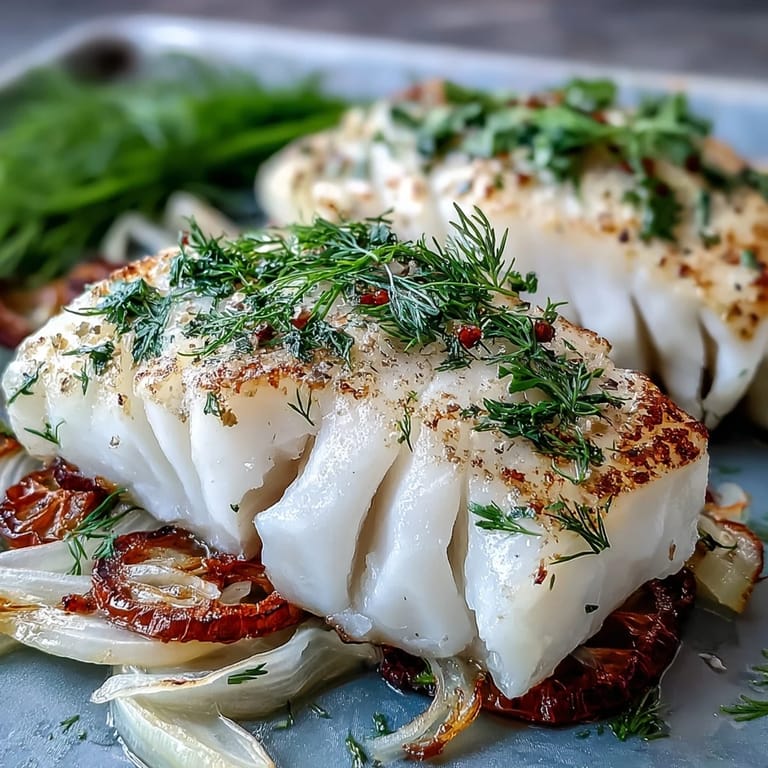
- Cover the pan and lower the heat so the liquid barely trembles with movement; you're looking for 8 to 10 minutes where the fish transitions from translucent to opaque and flakes easily when you touch it with a fork. Overcook by even a minute or two and the fish tightens up and loses that tender, almost buttery quality.
- Plate with intention:
- Use a slotted spatula to lift the cod carefully onto warmed plates, then arrange some fennel and orange slices around it. Spoon some of that precious liquid over everything so the flavors keep talking to each other on the plate.
- Finish with flair:
- Scatter the reserved fennel fronds over the top, add a final sprinkle of orange zest and black pepper, and serve immediately while the plate is still warm and the flavors are at their peak.
 Save
Save There was an evening when my mother came to stay and watched me make this, and halfway through she asked if I realized I was humming—something I never do in the kitchen, always too focused or a little tense. That's when I understood that this dish had become less about impressing someone and more about the genuine pleasure of putting simple, honest ingredients together and watching them become something greater than themselves.
Why Poaching Works Here
Poaching is one of those cooking techniques that feels mysterious until you realize it's simply cooking something gently in liquid, and that gentle approach is exactly what cod needs. The fish stays tender and moist because it's surrounded by warmth rather than harsh, direct heat, and the liquid becomes infused with the fish's delicate flavor, creating this beautiful symbiosis. It's also one of the most forgiving methods if you're nervous about cooking fish—there's very little that can go catastrophically wrong if you keep your heat low and your attention present.
Fennel and Fish, A Match Worth Understanding
Fennel has this subtle licorice quality that might sound strange paired with fish, but it's actually traditional in Mediterranean cooking for a reason. The anise notes don't compete with the delicate cod; instead, they create a counterpoint that makes the fish taste more like itself, the way a minor chord makes you hear the major chord more clearly. When the fennel softens in that poaching liquid, it becomes almost creamy while still maintaining its distinct character, and that transformation is part of what makes this dish special.
Serving and Storage Wisdom
This dish is honestly best served immediately while everything is warm and the aromatics are at their most vibrant, but I understand that life doesn't always align perfectly with cooking times. If you need to make it ahead, store the fish and poaching liquid separately in airtight containers in the refrigerator for up to two days, then gently reheat the liquid before adding the fish back in for about three minutes—just enough to warm through without continuing to cook.
- Crusty bread is non-negotiable because that poaching liquid is too good not to soak up with something.
- Steamed potatoes or a simple green salad both make perfect sides that won't fight for attention with the delicate fish.
- If you want to add fresh thyme sprigs to the liquid, do it near the end of the simmer so the flavor stays bright rather than becoming woody.
 Save
Save This recipe has taught me that some of the most memorable meals come not from complicated techniques or exotic ingredients, but from respecting what you're cooking and letting the natural flavors speak. It's become my go-to when I want to cook something that feels both nourishing and special, all at once.
Recipe FAQs
- → Can I use frozen cod fillets?
Yes, frozen cod works well. Thaw completely in the refrigerator before poaching and pat dry to remove excess moisture for even cooking.
- → What wine works best for poaching?
Dry white wines like Sauvignon Blanc, Pinot Grigio, or a crisp Spanish Albariño complement the delicate cod and bright orange flavors beautifully.
- → How do I know when the cod is done?
The cod is ready when it turns opaque throughout and flakes easily with a fork. Avoid overcooking as the fish will become dry and lose its delicate texture.
- → Can I make this dairy-free?
Yes, this dish is naturally dairy-free, gluten-free, and low-carb, making it suitable for various dietary preferences without modifications.
- → What sides pair well with this dish?
Steamed potatoes, crusty bread for the broth, or light greens like arugula with lemon vinaigrette complement the bright flavors perfectly.