 Save
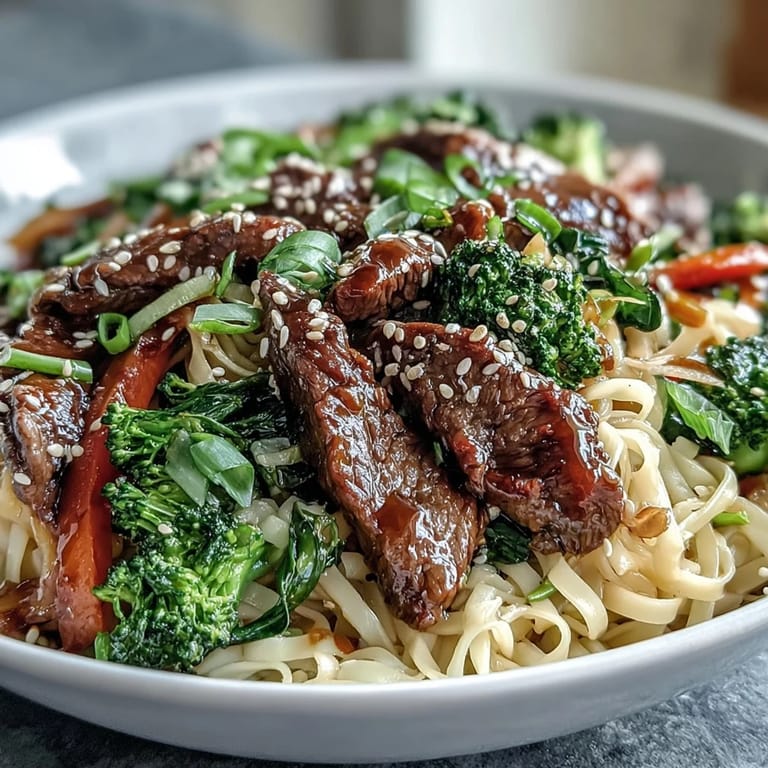
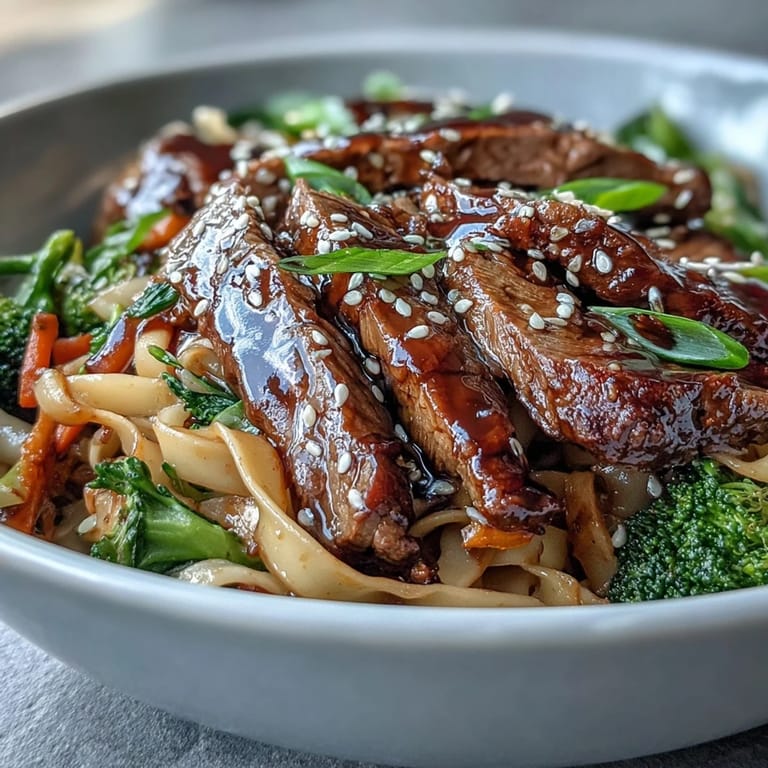
Save My neighbor knocked on my door one Tuesday evening holding a takeout container with three noodles left inside. She said I had to taste what she'd ordered, that the sauce alone was worth the trip across town. I took one bite and spent the next week trying to recreate it in my own kitchen. After a few burnt garlic incidents and one very overcooked carrot disaster, I landed on this version. It tastes like that borrowed bite, only better because I can make it any night I want.
I made this for my sister after she moved into her first apartment with nothing but a hot plate and one frying pan. She called me two days later to ask for the recipe again because she'd already made it twice. Now every time she visits, she requests this dish, and I know it's less about the food and more about the memory of that tiny kitchen and her excitement over mastering something that felt restaurant-worthy.
Ingredients
- Rice noodles: They turn silky and soft in minutes, soaking up the sauce without getting mushy if you don't overcook them.
- Flank steak: Slicing it thin against the grain keeps it tender, and browning it fast over high heat locks in flavor.
- Broccoli florets: They add a satisfying crunch and soak up the garlicky sauce in their little tree-like crowns.
- Bell pepper: Red or yellow brings a sweet, crisp contrast that balances the salty-savory sauce.
- Carrot: Julienned ribbons cook quickly and add a pop of color and subtle sweetness.
- Green onions: A fresh, sharp garnish that wakes up every bite.
- Garlic: Minced fine, it becomes fragrant in seconds and builds the foundation of the entire dish.
- Ginger: Grated fresh, it adds warmth and a slight zing that makes the sauce feel alive.
- Soy sauce: The salty backbone that ties everything together.
- Brown sugar: Just enough sweetness to balance the salt and create a glossy coating.
- Sesame oil: A few drops bring deep, toasty richness that lingers after every bite.
- Vegetable oil: High heat cooking needs a neutral oil that won't burn.
- Sesame seeds: Tiny but mighty, they add a nutty crunch and make the bowl look complete.
Tired of Takeout? 🥡
Get 10 meals you can make faster than delivery arrives. Seriously.
One email. No spam. Unsubscribe anytime.
Instructions
- Soften the noodles:
- Boil the rice noodles according to the package, usually just a few minutes until they're tender but still have a little chew. Drain them and set them aside so they don't clump together.
- Heat the skillet:
- Pour vegetable oil into a large skillet or wok and crank the heat to medium-high. Let it get hot enough that a drop of water sizzles and dances across the surface.
- Sear the beef:
- Add the thinly sliced flank steak in a single layer and let it brown for 2 to 3 minutes without moving it too much. Remove the beef and set it aside so it stays tender.
- Bloom the aromatics:
- Toss the minced garlic and grated ginger into the same skillet and stir for 30 seconds. The smell will hit you fast, warm and sharp and irresistible.
- Stir-fry the vegetables:
- Add the broccoli, bell pepper, and carrot, stirring constantly for about 5 minutes. They should soften just enough while keeping their bright colors and crisp texture.
- Mix the sauce:
- In a small bowl, whisk together the soy sauce, brown sugar, and sesame oil until the sugar dissolves completely. It should look glossy and smooth.
- Combine beef and sauce:
- Return the beef to the skillet and pour the sauce over everything. Stir it all together so every piece gets coated in that sweet-savory glaze.
- Toss in the noodles:
- Add the cooked rice noodles and gently toss everything together for about 2 minutes. The noodles should warm through and pick up the sauce without breaking apart.
- Garnish and serve:
- Sprinkle chopped green onions and sesame seeds over the top. Serve it hot, straight from the skillet if you want to feel fancy.
 Save
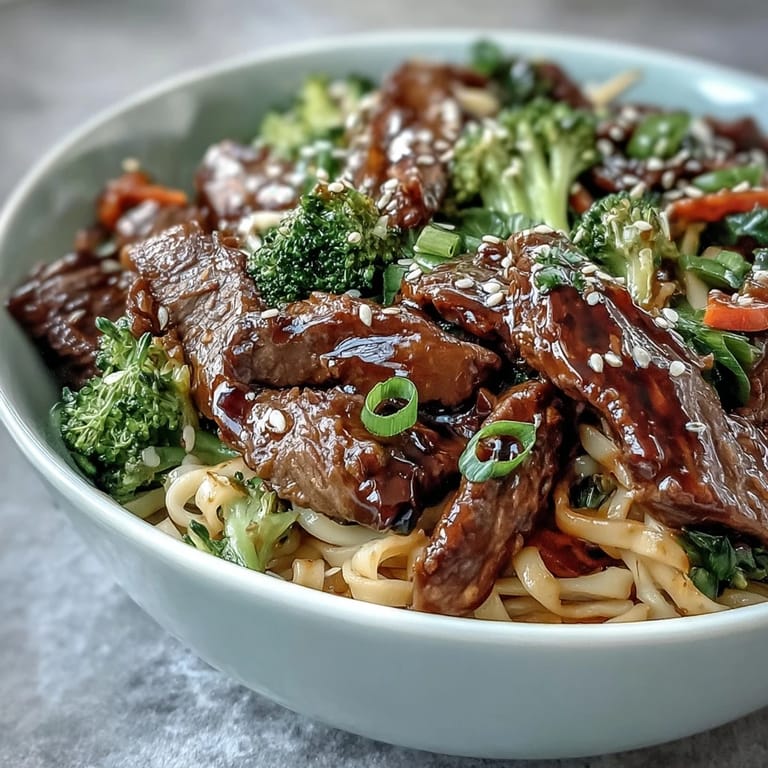
Save One night I made this for friends who'd never tried anything like it before. They went quiet after the first bite, and I worried I'd messed it up. Then one of them looked up and said it tasted like the best takeout they'd ever had, except better because it was warm and made with care. That's when I realized this dish had become more than just dinner.
Choosing the Right Cut of Beef
Flank steak works beautifully here because it's lean, flavorful, and cooks fast when sliced thin. If you can't find flank, sirloin or skirt steak are great substitutes. Just make sure to slice against the grain, cutting through the muscle fibers instead of along them. That one trick turns a tough cut into tender bites that practically melt into the sauce.
Making It Your Own
This recipe is forgiving and loves a little improvisation. Swap in snap peas, zucchini, or bok choy depending on what's in your fridge. If you want heat, stir a spoonful of gochujang or sriracha into the sauce before pouring it over the beef. I've even made this with shrimp instead of beef when I was craving something lighter, and it was just as satisfying.
Storing and Reheating Leftovers
Leftovers keep in an airtight container in the fridge for up to three days. Reheat them gently in a skillet over medium heat with a splash of water or soy sauce to loosen the noodles. The microwave works in a pinch, but the skillet brings back that fresh-cooked texture.
- Add a drizzle of sesame oil after reheating to refresh the flavor.
- Toss in a handful of fresh greens like spinach or arugula for a quick nutrient boost.
- If the noodles seem dry, a tablespoon of water or broth will bring them back to life.
 Save
Save This dish has become my go-to for nights when I want something comforting but don't want to spend an hour in the kitchen. It's the kind of meal that makes you feel capable and fed, all at once.
Recipe FAQs
- → Can I use other proteins besides flank steak?
Yes, thinly sliced chicken breast, shrimp, or firm tofu work beautifully as alternatives. Adjust cooking time accordingly—chicken and shrimp need just 2–3 minutes, while tofu absorbs the sauce beautifully and needs only about 1–2 minutes to heat through.
- → How do I prevent rice noodles from sticking together?
Rinse cooked noodles under cold water immediately after draining to remove excess starch. Toss them with a teaspoon of sesame oil before adding to the skillet. This keeps them separate and glossy.
- → Can I make this dish spicy?
Absolutely. Stir 1–2 teaspoons of gochujang (Korean chili paste) or sriracha into the sauce mixture. For extra heat, add sliced fresh chilies along with the vegetables or serve with chili oil on the side.
- → What vegetables work best in this dish?
Broccoli, bell peppers, and carrots provide excellent crunch and color. Snap peas, zucchini, shiitake mushrooms, or baby corn also work wonderfully. Aim for vegetables that maintain some texture after stir-frying.
- → How should I store and reheat leftovers?
Store in an airtight container in the refrigerator for up to 3 days. Reheat gently in a skillet over medium heat, adding a splash of water or extra soy sauce to loosen the noodles. The microwave works too, though the skillet method helps maintain texture better.
- → Is this dish gluten-free?
It can be. Use gluten-free soy sauce (or tamari) and verify your rice noodles are certified gluten-free. The remaining ingredients naturally contain no gluten, making it easy to adapt for dietary needs.